Barndominium Builders in Wayne County, Michigan
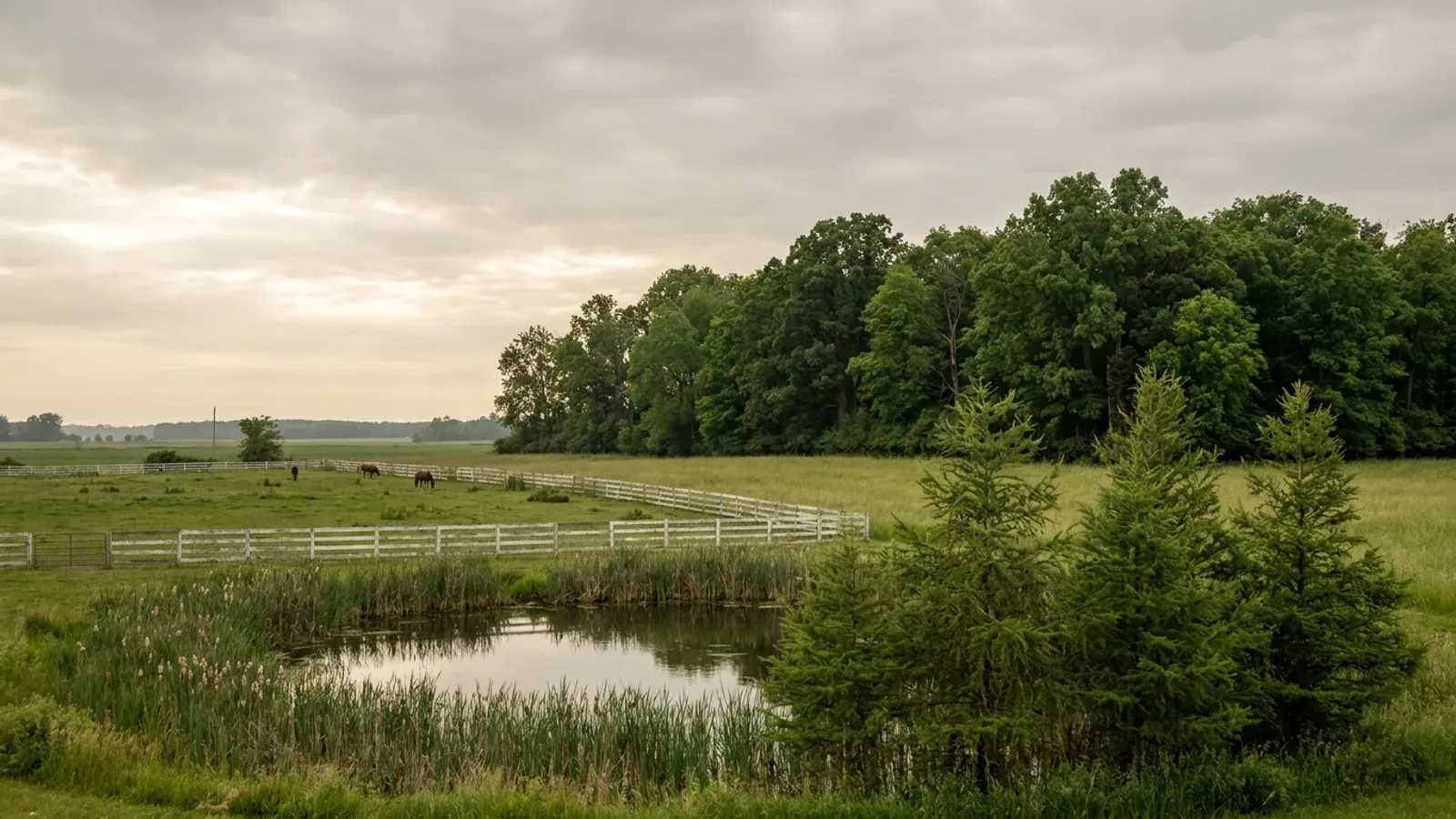
Wayne County is heavily urban at its core, but its western and southern edges still hold townships with open ground, larger lots and rural roads, and that is where most barndominium projects here land. Townships such as Sumpter, Huron, Van Buren, Brownstown, Northville, Plymouth and Canton set their own zoning and run their own building departments, so the rules for a shop-house change as you cross a township line. Along the Livonia and Westland side the county is built up much like the core, and suburban lots there suit a compact house with an attached garage better than a farmstead. On a rural parcel, a pole barn home or steel-framed shouse with a large shop bay is realistic where the district allows it, usually with a private well and a septic system permitted through the county health department. Barndominium kits suit owner-builders; our turnkey builds and site preparation handle the rest. City lots in Detroit and Dearborn have their own pages. Send us the parcel number through the survey and we will check the township's zoning and the septic question first.
Wayne County at a glance
- County
- Wayne County
- Building permit
- Township building department
- Zoning
- Township zoning
- Wastewater
- Septic and well via the health department
Barndominium Kits and Plans for Wayne County
The parcel decides the budget more than the floor area does, so each option is priced against your land rather than a rate card.
Barndominium Kits
Barndominium kits and shell kits for sale in Michigan, sized for lake-effect snow and your site, with an honest answer on modular and prefab options.
Custom Plans
Custom barndominium plans and floor plans for Michigan land, designed around your site, your shop and the permit set your building department needs.
Pole Barn Homes near Wayne County
A pole barn home sets its frame on posts and trusses (the engineering term is post-frame), which often suits a simple, wide layout with a shop bay under the same roof. Whether it fits your parcel comes down to the zoning and the site, set out below.
Permits, Zoning and Septic in Wayne County
Four offices usually decide whether a barndominium can go on a given parcel. Here is who they are in Wayne County, taken from the office or document that publishes each rule. Rules change, so check them again against your parcel before anything is drawn.
Your township, city or village building department (every Wayne County unit runs its own)
The state's jurisdiction list shows every city, village and township in Wayne County running its own building program, so the permit comes from the township where the land sits, not from the county. In Sumpter Township, for example, the Building Department enforces the township and state building, electrical, mechanical and plumbing codes, reviews plans and inspects all new construction.
Source: Building Department, Sumpter Township (sumptertwp.org)
Your township's planning and zoning department
Zoning is set by each township, city and village rather than by Wayne County. In Huron Charter Township, for example, the Planning and Zoning department keeps the master plan and enforces the zoning ordinance, which controls how a property may be used and regulates building height, lot size and density, with rezonings and variances heard by its Planning Commission and Zoning Board of Appeals. The rural southern and western townships hold most of the county's remaining farm and open land.
Source: Planning & Zoning, Huron Charter Township (hurontownship-mi.gov)
Wayne County Department of Health, Human and Veterans Services (Environmental Health)
Where sanitary sewer is not available, a new home needs an onsite septic system. The county health department is the permitting agency for residential septic systems: it runs site and soil evaluations for new home sites, issues septic and well permits, inspects the drainfield during installation, and must approve every finished system.
Source: Septic/Onsite Sewage, Wayne County (waynecountymi.gov)
Wayne County Environmental Services, Land Resource Management (County Enforcing Agency)
Wayne County enforces the soil erosion and sedimentation control program in 35 communities, including Canton, Huron, Sumpter, Van Buren and Brownstown townships. An earth change over one acre or within 500 feet of a lake, stream or open drain needs a permit before earthwork, and the county has a separate application for a single home on a parcel.
Source: Soil Erosion & Sedimentation Control, Wayne County (waynecountymi.gov)
- Septic inspection before a sale
- Wayne County's health department states that a county ordinance, effective September 1999 and applying everywhere outside the City of Detroit, requires homes on septic systems to have them inspected before a sale, and the system must be functioning satisfactorily before the sale proceeds (read 27 September 2026).
- Cities with their own erosion program
- Wayne County lists Belleville, Dearborn, Livonia, Southgate, Taylor, Trenton and Wyandotte as Municipal Enforcing Agencies; in those cities the soil erosion permit comes from the city's building department rather than the county (Wayne County Environmental Services, read 27 September 2026).
Source: Septic/Onsite Sewage, Wayne County (waynecountymi.gov)
Source: Soil Erosion & Sedimentation Control, Wayne County (waynecountymi.gov)
Building on land near Wayne County
When you shop for acreage in Wayne County, start with the township, since it decides whether a home with a large accessory building is allowed and on how much land. Then ask whether sanitary sewer reaches the road; if not, get the Wayne County health department's soil evaluation before closing, because it decides whether a septic system and well can go in. If you are buying an existing home on septic, Wayne County's time-of-sale inspection applies. Low, flat ground near the Huron River, the Rouge or county drains can bring wetland or floodplain review, and any lot within 500 feet of a stream or drain needs a soil erosion permit.
Other places in this part of Michigan
Detroit & Metro Detroit
- Detroit
- Dearborn
- Sterling Heights
- Wayne County
- Oakland County
- Macomb County
Have land in or near Wayne County? Tell us about the parcel and what you want on it, and we will check it against the local rules before anything is drawn.
Building in Wayne County: questions
Start the surveyHow much does it cost to build a barndominium in Wayne County?
Do I need a building permit for a barndominium in Wayne County?
Which townships in Wayne County have land for a barndominium?
Do I need a septic inspection to buy land or a home in Wayne County?
Keep reading
What usually comes next once you know what Wayne County allows.
Barndominium Cost Guide
Sourced per-square-foot ranges by tier and size, and what moves the number on your land.
Read itIs a Barndominium Legal in Michigan?
Zoning, permits, septic and wells, and who inspects, before you buy the land.
Read itHow Long Does It Take?
From parcel to move-in, and which steps set the clock.
Read itSources for this page
The published pages behind the Wayne County facts above. Rules change, so check the current version with the office before you rely on it.
- Building Department, Sumpter TownshipBuilding permitsumptertwp.org
- Planning & Zoning, Huron Charter TownshipZoninghurontownship-mi.gov
- Septic/Onsite Sewage, Wayne CountySewer, septic and well; Septic inspection before a salewaynecountymi.gov
- Soil Erosion & Sedimentation Control, Wayne CountySoil erosion control; Cities with their own erosion programwaynecountymi.gov
Other places near Wayne County
Nearby places with their own pages. Across a city limit, a township line or a county line the permit office, the zoning and the septic rules can change, so each is covered separately.
Building in Wayne County?
Start with the survey. Tell us where the land is and what you want on it, and we will come back with which offices decide it, what the zoning allows, and a plan to fit.