Barndominium Builders in Muskegon County, Michigan
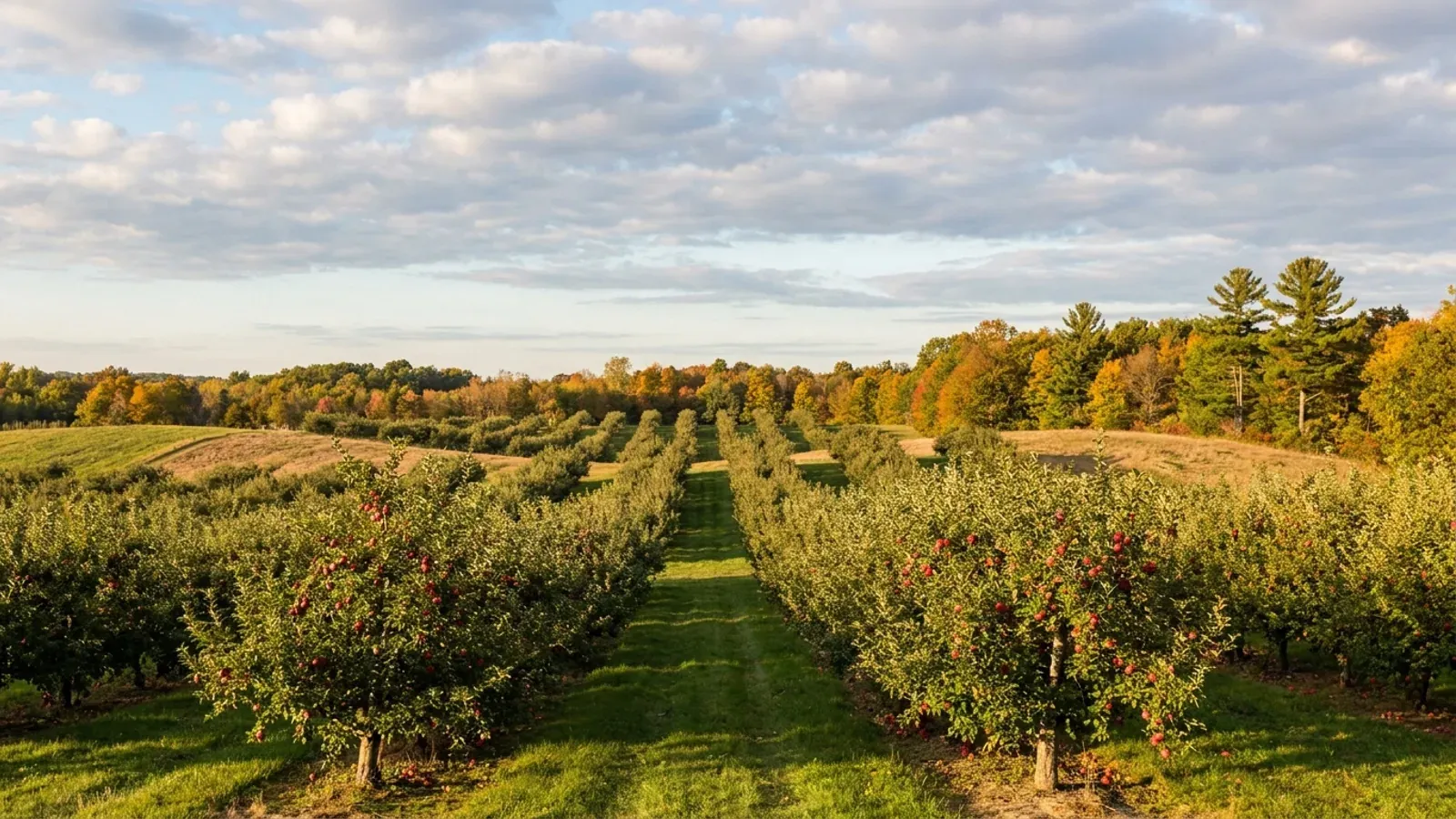
Muskegon County runs from the Lake Michigan dunes inland to fruit farms, woodlots and small lakes, and most of the room for a barndominium lies in its townships rather than its lakeshore cities. That is where a house with an attached shop, an equipment bay or a horse barn has space to breathe. The rules come from several places: your township zones the land and, through its own building program or an inspection firm it contracts with, issues the building permit; the county health department permits the well and septic system; and the county Department of Public Works handles soil erosion permits. We build turnkey, and we help owners who would rather put up barndominium kits themselves line up the drawings, site work and permits in the right order. A pole barn home is a natural fit on farm ground here, while a custom plan suits a wooded or lakeside parcel. Some farm districts treat a non-farm house differently from a farmhouse, so read the township zoning before you buy. Send the parcel number through the survey and we will check the township, the zone district and the likely site costs. For city lots, see Muskegon.
Muskegon County at a glance
- County
- Muskegon County
- Building permit
- Township, county or state
- Zoning
- Township zoning
- Wastewater
- Septic and well via the health department
Barndominium Kits and Plans for Muskegon County
The parcel decides the budget more than the floor area does, so each option is priced against your land rather than a rate card.
Barndominium Kits
Barndominium kits and shell kits for sale in Michigan, sized for lake-effect snow and your site, with an honest answer on modular and prefab options.
Custom Plans
Custom barndominium plans and floor plans for Michigan land, designed around your site, your shop and the permit set your building department needs.
Pole Barn Homes near Muskegon County
A pole barn home sets its frame on posts and trusses (the engineering term is post-frame), which often suits a simple, wide layout with a shop bay under the same roof. Whether it fits your parcel comes down to the zoning and the site, set out below.
Permits, Zoning and Septic in Muskegon County
Four offices usually decide whether a barndominium can go on a given parcel. Here is who they are in Muskegon County, taken from the office or document that publishes each rule. Rules change, so check them again against your parcel before anything is drawn.
Your township, city or village building department or its contracted inspection firm (for example, Casnovia Township)
The state jurisdiction list shows every city, village and township in Muskegon County running its own building program; there is no county building department to fall back on. Some townships contract the work out: Casnovia Township approves zoning first, then its building, mechanical and plumbing permits are issued by Imperial Municipal Services. Check the Bureau of Construction Codes list for your township.
Source: Building & Zoning, Casnovia Township (casnoviatownshipmi.gov)
Your township zoning administrator (for example, Casnovia Township)
Townships write their own zoning, and cities and villages zone their own land. In Casnovia Township's A-1 Exclusive Agricultural district, meant to protect prime farmland, farm activities and single family dwellings are principal uses, but a single-family non-farm dwelling is listed as a special permit use needing extra review.
Source: Casnovia Township Zoning Ordinance (casnoviatownshipmi.gov)
Muskegon County Public Health, Environmental Health program
The county Environmental Health program issues the permit for a new, replacement or expanded septic system, and a separate permit for a new drinking water well. It works under the Muskegon County Sanitary Regulations and long-standing county minimum installation standards.
Source: Septic Permits & Evaluations, Muskegon County (co.muskegon.mi.us)
Muskegon County Department of Public Works
The county Department of Public Works administers the state soil erosion rules for earth changes in the county. An earth change permit is needed before work starts when a project disturbs one or more acres or lies within 500 feet of a lake or stream; permits run one year and can be extended once.
Source: Soil Erosion, Muskegon County (co.muskegon.mi.us)
- Is that ditch a stream?
- Muskegon County Public Works notes that lakes and streams for the 500-foot soil erosion test are defined by the state rules, and asks owners to contact the department to find out whether a water feature on their land meets that definition (read 27 September 2026).
- Checking an existing well before you buy
- Muskegon County Environmental Health requires a permit for a new drinking water well and offers existing well evaluations for buyers, covering the well's age, its capacity and water quality, with samples that may be tested for bacteria, partial chemistry and lead (read 27 September 2026).
Source: Soil Erosion, Muskegon County (co.muskegon.mi.us)
Source: Well Permits & Evaluations, Muskegon County (co.muskegon.mi.us)
Building on land near Muskegon County
Township land in Muskegon County ranges from sandy soils and dune country near the lake to heavier farm ground and orchards inland, with the Muskegon and White rivers and many small lakes in between. Before buying, confirm the zone district and whether a non-farm home is a permitted or special use there, ask the county health department about a soil evaluation for the septic field, and note any creek, drain or pond within 500 feet of where you would dig. Low ground and wetland edges can need state review. Our site preparation crew handles the pad, drive and grading once the parcel is chosen.
Other places in this part of Michigan
Grand Rapids & West Michigan
- Grand Rapids
- Holland
- Muskegon
- Kent County
- Ottawa County
- Allegan County
- Muskegon County
Have land in or near Muskegon County? Tell us about the parcel and what you want on it, and we will check it against the local rules before anything is drawn.
Building in Muskegon County: questions
Start the surveyHow much does it cost to build a barndominium in Muskegon County?
Do I need a building permit for a barndominium in Muskegon County?
Can I build a barndominium on farmland in a Muskegon County township?
Who permits the well and septic system on rural land here?
Keep reading
What usually comes next once you know what Muskegon County allows.
Barndominium Cost Guide
Sourced per-square-foot ranges by tier and size, and what moves the number on your land.
Read itIs a Barndominium Legal in Michigan?
Zoning, permits, septic and wells, and who inspects, before you buy the land.
Read itHow Long Does It Take?
From parcel to move-in, and which steps set the clock.
Read itSources for this page
The published pages behind the Muskegon County facts above. Rules change, so check the current version with the office before you rely on it.
- Building & Zoning, Casnovia TownshipBuilding permitcasnoviatownshipmi.gov
- Casnovia Township Zoning OrdinanceZoningcasnoviatownshipmi.gov
- Septic Permits & Evaluations, Muskegon CountySewer, septic and wellco.muskegon.mi.us
- Soil Erosion, Muskegon CountySoil erosion control; Is that ditch a stream?co.muskegon.mi.us
- Well Permits & Evaluations, Muskegon CountyChecking an existing well before you buyco.muskegon.mi.us
Other places near Muskegon County
Nearby places with their own pages. Across a city limit, a township line or a county line the permit office, the zoning and the septic rules can change, so each is covered separately.
Building in Muskegon County?
Start with the survey. Tell us where the land is and what you want on it, and we will come back with which offices decide it, what the zoning allows, and a plan to fit.